
Resources

Administrative first, instructional last, and why that order is the argument. Where AI genuinely helps a district, and the decisions that must stay with people.

Where AI genuinely helps a city or county, ordered by how straightforward each is to do well, with a deliberately narrow public safety section and three firm boundaries.
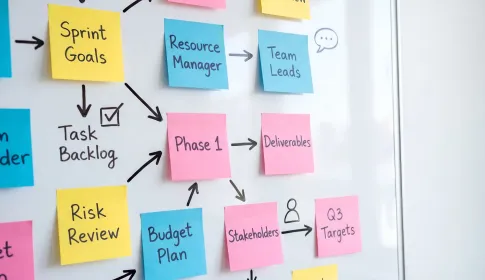
Findings, disagreement, sequencing, the roadmap, and the three ways organizations most often waste an assessment they have just paid for.

Cooperative purchasing lets one public agency run a competitive solicitation that many others can buy from. Here is how the model works, what TIPS is, and what it does not do for you.

Buying professional services through a cooperative contract is mostly work that happens inside your own organization. Here is the sequence, from a stated requirement through to a supplier starting.

Public agencies buy IT consulting in four quite different shapes, and choosing the wrong one costs more than choosing the wrong supplier. A guide to the models, and to a decision that gets skipped.
School district technology work is shaped by the calendar, the board, and a very small central team. Here is what districts buy, and where cooperative purchasing genuinely helps.

Bringing in experienced technical people alongside a district team works well when the engagement is defined so it can end. Here is how districts use the model, and how to keep it honest.
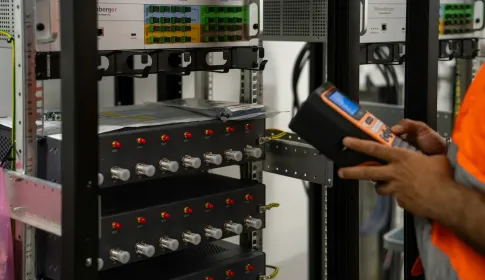
District cybersecurity is a program built over several budget years, not a product you buy once. Here is an order of work that holds up, and how districts obtain the expertise to do it.
The rates under TIPS Contract 230601 are published as part of the award, not quoted per customer. Here are the not-to-exceed ceilings by role, the travel terms, and how to turn them into a budget.